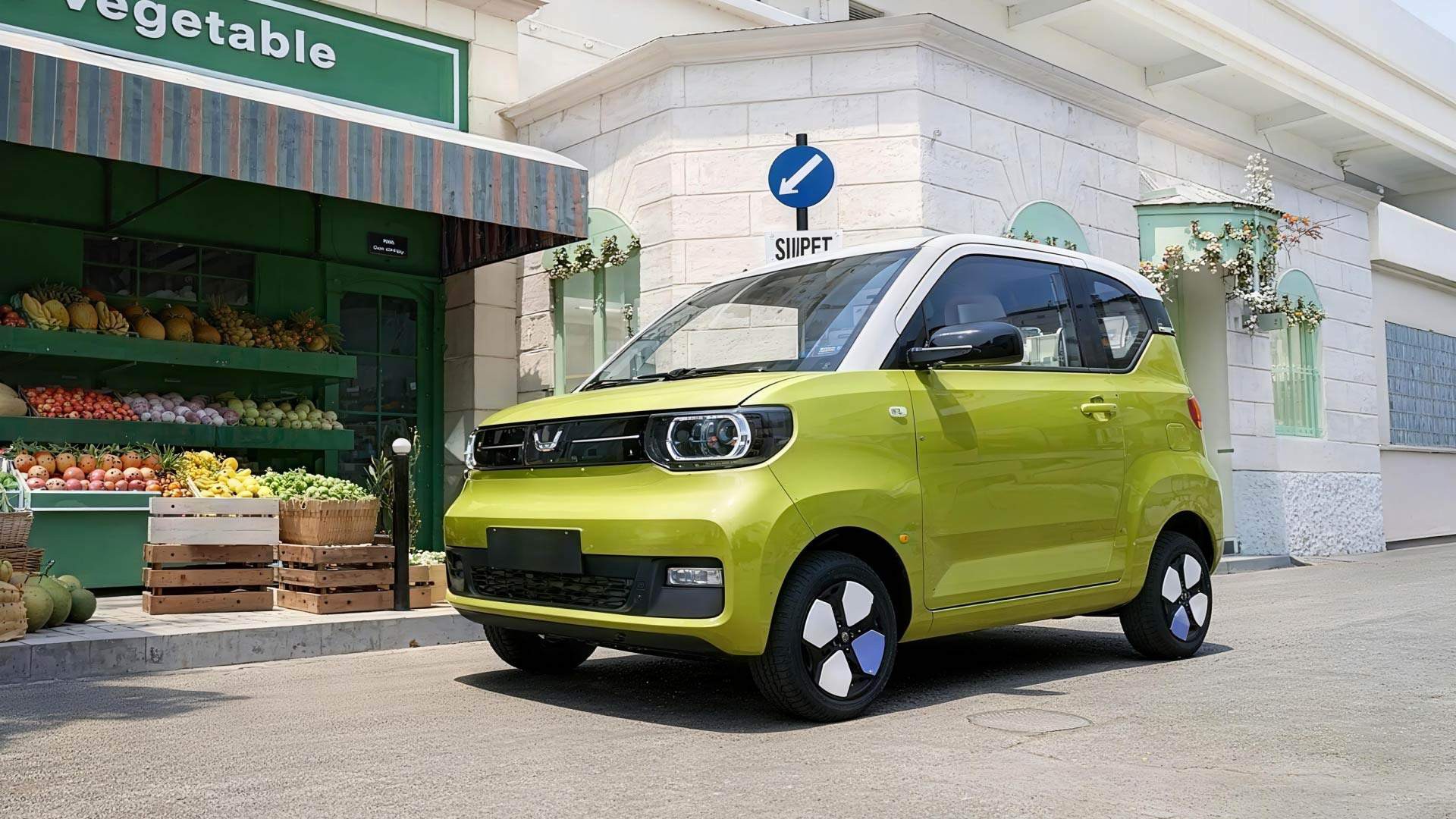
The functions of electric vehicle technology mainly include the following aspects:
Vehicle-to-grid interaction technology (V2G): This technology allows electric vehicles to draw electricity from the grid when charging, and can transmit electricity back to the grid when needed, thus realizing a two-way flow of energy. By participating in grid regulation, electric vehicles can discharge electricity to the grid during peak electricity demand and obtain certain economic benefits. For example, a pilot project in Hubei Province showed that electric vehicles can charge during off-peak hours and discharge electricity during peak hours, earning tens of yuan per day.
Megawatt flash charging technology: BYD's megawatt flash charging technology achieves a charging power of 1000kW, which can replenish a vehicle's range of 400 kilometers in 5 minutes. This technology not only solves the problem of slow charging speed of electric vehicles, but also makes the charging experience close to the convenience of refueling. Megawatt flash charging technology not only supports high voltage and high current, but also has an intelligent boost function, which can charge efficiently in places where there are no megawatt flash charging stations.
Motor: The motor is the core component of electric vehicles, responsible for converting electrical energy into mechanical energy to drive the vehicle. The high efficiency of electric motors enables electric vehicles to have excellent acceleration and power performance. For example, models equipped with BYD Super E platform can accelerate from 0 to 100 km/h in 2.7 seconds.
Cooling system: In order to ensure the efficient operation of electric motors and other key components, electric vehicles are usually equipped with cooling systems to reduce the temperature by circulating coolant or air. The stable operation of the cooling system is crucial to the performance and life of electric vehicles.
Transmission system: Due to the excellent traction characteristics of electric motors, the transmission system of electric vehicles is relatively simple, and usually does not require a clutch and a transmission. Instead, the speed of the motor is adjusted by the controller and the speed control system to achieve vehicle speed control.
Driving system: Including components such as the frame, axle, wheels and suspension, it is responsible for receiving the torque of the motor and providing traction through the adhesion of the drive wheel to the road surface to ensure that the car can drive normally.
Steering system: The steering system controls the direction of the vehicle and realizes flexible driving through the coordination of the steering mechanism and the steering wheel. The stability and sensitivity of the steering system are crucial to the driving experience.
Braking system: The braking system enables electric vehicles to slow down or stop, and keep the vehicle stationary. The efficiency and reliability of the braking system are crucial to driving safety.